

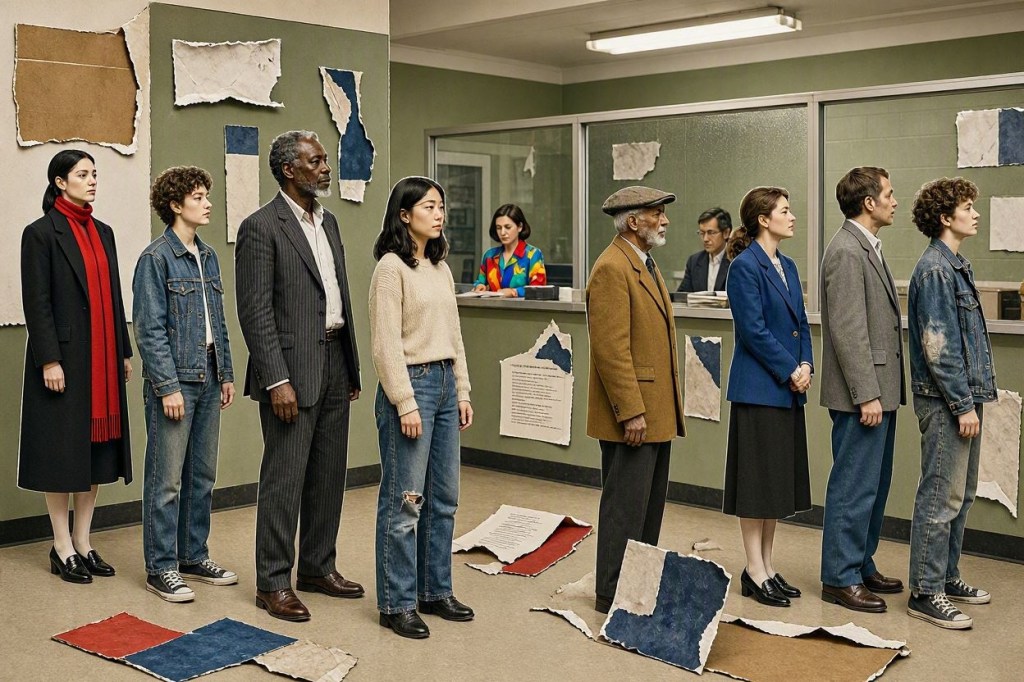
A hypothesis advanced in Freakonomics by Steven D. Levitt was the decline of crime in the United States in the 1990’s when lead in gasoline and household paints was eliminated. Levitt reasoned exposure to lead-laden exhaust emissions lowered children’s IQs and impaired their self-control, perpetrating criminal behavior.
Later research, however, didn’t find a correlation between tetraethyllead in gasoline and crime.
This correlation popped into my head while reading an article about the declining quality of life in US states. For instance, Tennessee got an F because of its high crime rate, and absence of inclusiveness and worker protections. Texas also scored an F, owing to high healthcare costs and crime levels, and dearth of worker protections, inclusiveness, and reproductive rights.
Looking at the statistics, Tennessee and Texas don’t have particularly high unemployment rates, compared to other states. Although, with a population of over seven million people, Texas’ unemployment rate of 4.5% leaves nearly 1.5 million people looking for work, the equivalent to everyone in Round Rock, a suburb north of Austin.
There’s more to the story.
In Texas, the poverty rate is three times that of unemployment, resulting in over 4.3 million people struggling to find housing, food, transportation, medical care, and basics like laundry detergent and shampoo. Many of these people have given up on working, unable to consistently get to work or physically and emotionally unable to hold a job.
With unemployment rates of 18.9%, over 1.4 million people live in poverty in Louisiana and Mississippi. For reference, that’s double the combined population of North Dakota and Wyoming.
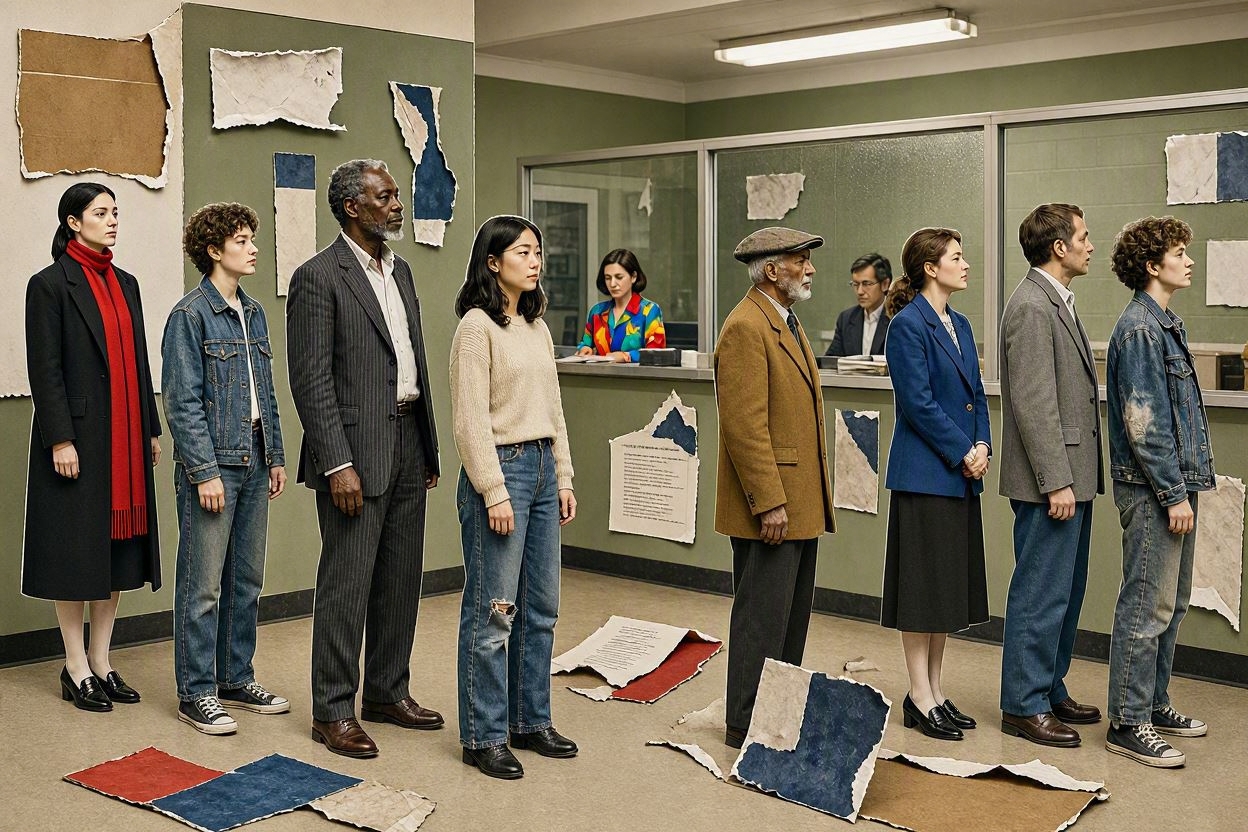
While Anthropic researcher Even Hubinger believes AI could kill all humans with a 10% chance in the next decade, economic factors are already at work thinning populations through poverty, shortened life expectancies, neglect, and despair. Young and old. Every state. Every city and town. Every demographic.
The solutions aren’t easy. The first step is recognizing dignity and the ability to thrive depends on meaningful occupation.
Started in 1933, the Civilian Conservation Corps and She-She-She Camps gave jobless men and women the opportunity to pivot into training and jobs that provided them with meaningful occupation, bolstering their self-worth and benefitting the nation.
The Peace Corp is similar. Volunteers are placed in communities where they work on vital projects from improving agricultural management practices to teaching basic business skills, training teachers and teaching students, protecting natural resources, and improving access to healthcare and related resources.
Whether paid, voluntary or subsidized, meaningful occupations provide a sense of purpose, contributing to a business or community, improving self-esteem, building valuable skills, and fostering self-reliance.
In America, the time has come to prioritize jobs over profit. If a company can’t create jobs, they should donate to organizations that provide training or roles, which require limited experience. People’s unique skills should be considered instead of expecting them to possess a lengthy laundry list of accomplishments.
There’s a need to bring back administrative and support staff rather than allocating responsibilities across teams and thereby impacting their productivity. As an example,1 a nursing unit eliminated a clerk who answered the phones, stocked supplies, handled paperwork, and cleaned the break room. These tasks were allocated to nurses, reducing the amount of time they had for patient care.
There’s a reason why Costco’s turnover 2 is 8% versus 60% for the retail industry. They pay a livable wage, offer benefits, appropriately staff so associates aren’t overwhelmed, and foster a collaborative, supportive culture.
More importantly, employees feel valued. Their roles, whether working in the bakery, stocking shelves, or helping customers, are meaningful and crucial to creating great customer experiences.
Most aspects of life are like a balance scale. When you push down on one side and the other is impacted. A community with high unemployment and poverty can’t grow unless there’s an influx of investments, jobs, and social programs. Conversely, do away with these additions, and the community and its citizens start to suffer with the disappearance of meaningful, paid and unpaid occupations.
- Stop saying there’s a nursing shortage, Alana Semuels, TIME, September 7, 2006 ↩︎
- What Costco Knows that Most Others Don’t, Shep Hyken, Forbes, February 23, 2025 ↩︎
 Scribbles
Leave a comment