

Originally published on August 10, 2026 on LinkedIn
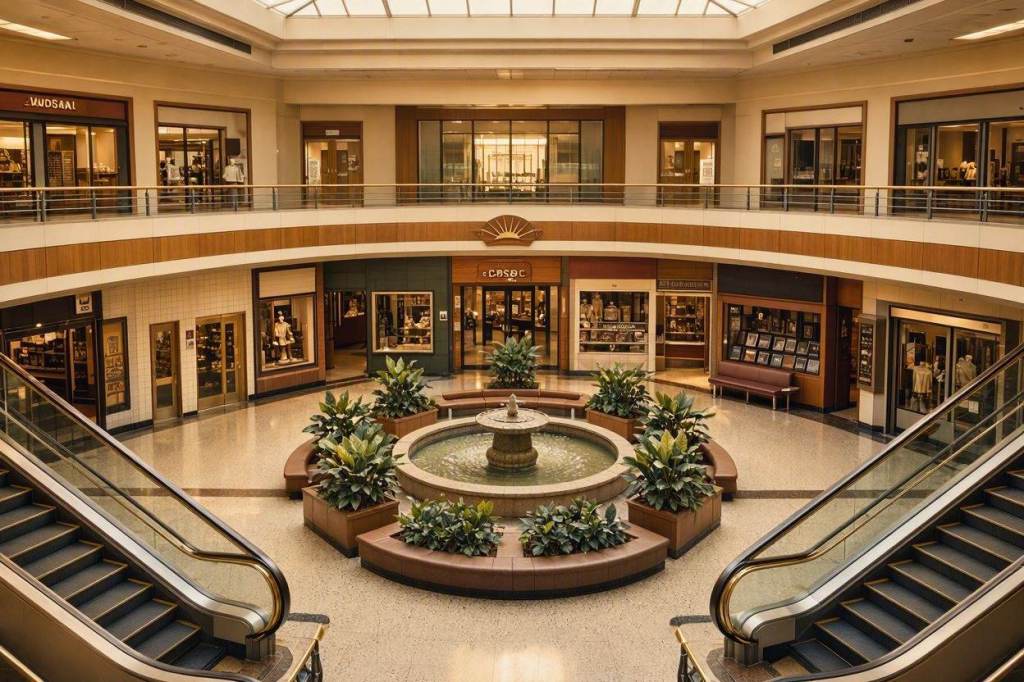
Scanning the news, while chomping on my oatmeal this morning, I read that Lloyd Center in Portland, Oregon, closed its doors on Saturday.
Opened on August 1, 1960, Lloyd Center was one of the largest open-air shopping centers in the U.S. with around 100 stores and an ice-skating rink. In subsequent years, it was enclosed, enlarged, and a food court added. As anchor stores floated away, foot traffic declined.
The initial and subsequent development of the mall spurred commercial and residential growth, generating jobs and revitalizing NE Portland.
Forty years ago, there were 25,000 malls across the U.S. Today, there’s less than 1,200 with a third expected to close by 2028.
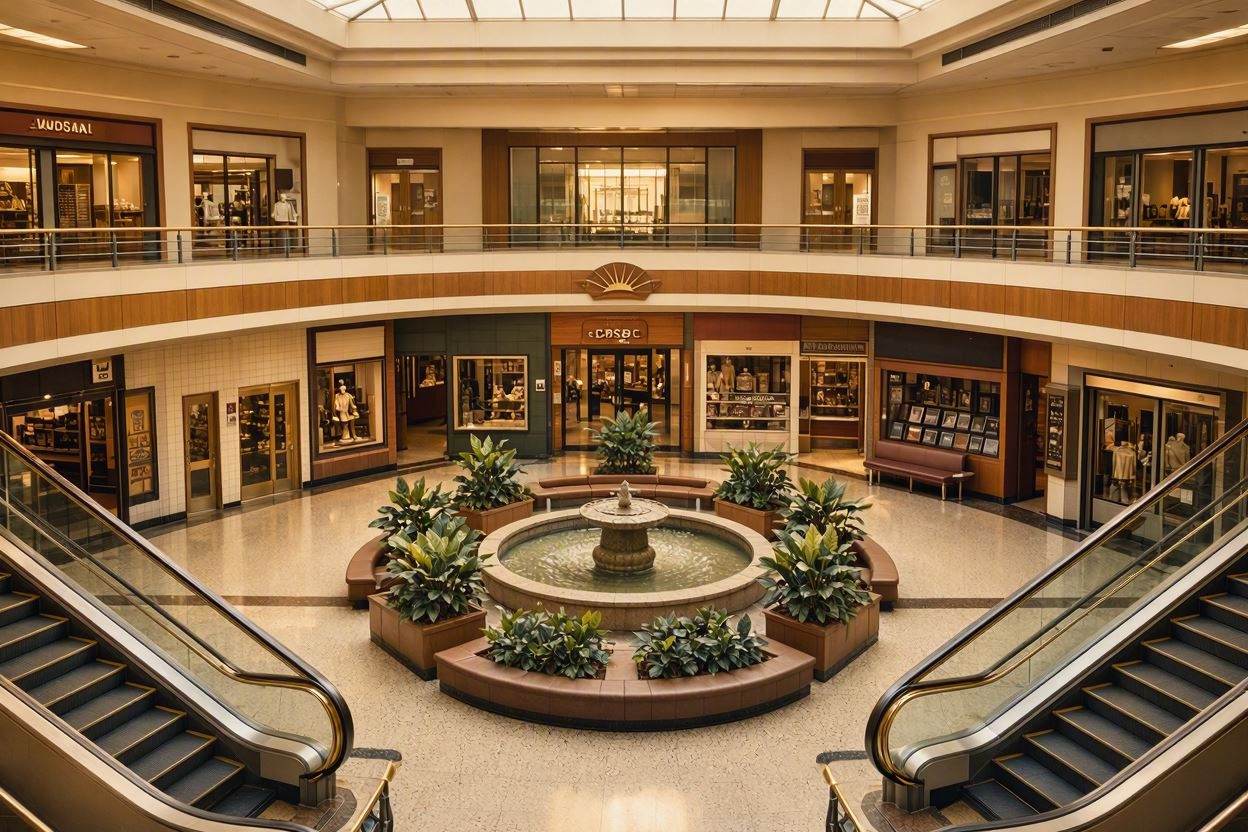
Their decline is multifaceted, many attributed to the closure of anchor stores like Sears, Macy’s, Bon Marche, JCPenney’s, and Woolworth’s, along with hundreds of smaller chains like Claires, Toy’s R Us, KB Toys, Eddie Bauer, American Apparel, Forever 21, Florsheim, Miller’s Outpost, Bombay Company, Pier 1 Imports, Tuesday Morning, B. Dalton, and Barnes & Noble Booksellers.
The shift to ecommerce, closure of stores during COVID-19, and change in consumer habits have equally contributed to the demise of shopping malls. Consumers prefer shopping online, finding exactly what they want at a price they’re willing to pay rather than settle for what’s on the shelf or rack, during set hours at a brick-and-mortar.
Store and mall closures indisputably lead to unemployment, reduced tax revenue, and decreased visits to stores, restaurants, and other establishments located near shuttered malls. Even though nearly half of closed malls are eventually repurposed into flex spaces, sports centers, restaurants, warehouses, college and university spaces, self-storage, and more, they can’t replace the scope of lost jobs.
Throughout history, there’s been waves of unemployment, the most startling being the Great Depression, which worldwide resulted in ten years of severe economic hardship. Starting in 1929 with the stock market crash, the unemployment rate reached 24.9% by 1933.
The COVID-19 pandemic triggered 14.7% unemployment. The current unemployment rate is 4.1%, which sounds low, but means 5.7 million people aren’t working and are actively looking. For context, the population of Connecticut is 5.7 million.
No doubt, unemployment rates can creep higher. They’ve done so in the past. But like the closure of shopping centers, an increase in joblessness equates to the evaporation of bourgeoning communities. They start to tumble when thriving professionals and support employees are forced into gig and temporary jobs, which don’t provide the income they once enjoyed. They stop eating out, attending cultural events, and purchasing discretionary items. A layoff of a hundred could impact a thousand.
Unlike previous dips in employment, however, there’s a dearth of jobs on the horizon for both blue- and white-color workers.


Leave a Reply