

The neighbor across the street has a new-fangled robotic lawnmower, an extra-large Roomba that wakes up at night, zooms around for a few hours, then returns to its charging station. It uses AI to detect obstacles and distinguish grass from gravel, steppingstones, and asphalt.
A few years ago, this neighbor, along with several others, was outraged when I recommended we put together the addresses, phone numbers, and emails of the homeowners in our neighborhood association, making it easier to contact them in an emergency. They felt the list violated their privacy, despite one of the homeowners having his contact information in a liberally distributed paper phonebook.
I bring up these examples because of a recent decision by the Trump Administration to ban foreign-made advanced robots and power inverters, fearful they could collect data and be weaponized to disrupt or spy on the U.S.
Currently, China manufactures 85% of humanoid robots.
Sourcing robots from other companies or quickly ramping up the manufacture of U.S. produced, advanced electronics, like robotic vacuums, lawn mowers, quadruped (four-legged), and humanoids (two-legged), is equivalent to pigs flying. These devices, unlike more common articulated, collaborative, and autonomous robots, learn and adapt to situations by utilizing AI.
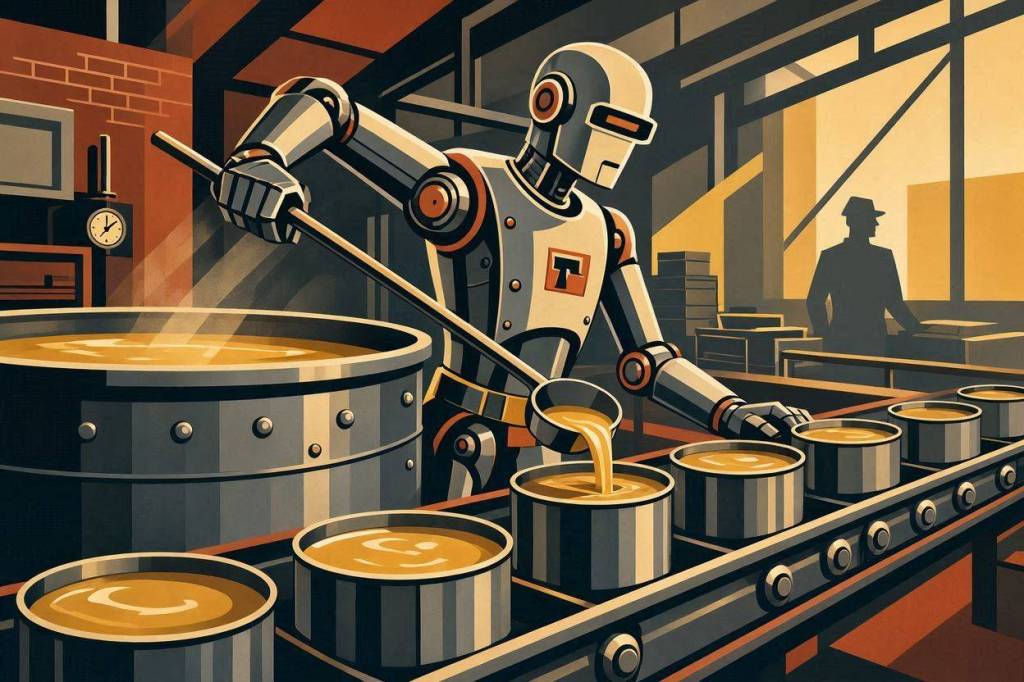
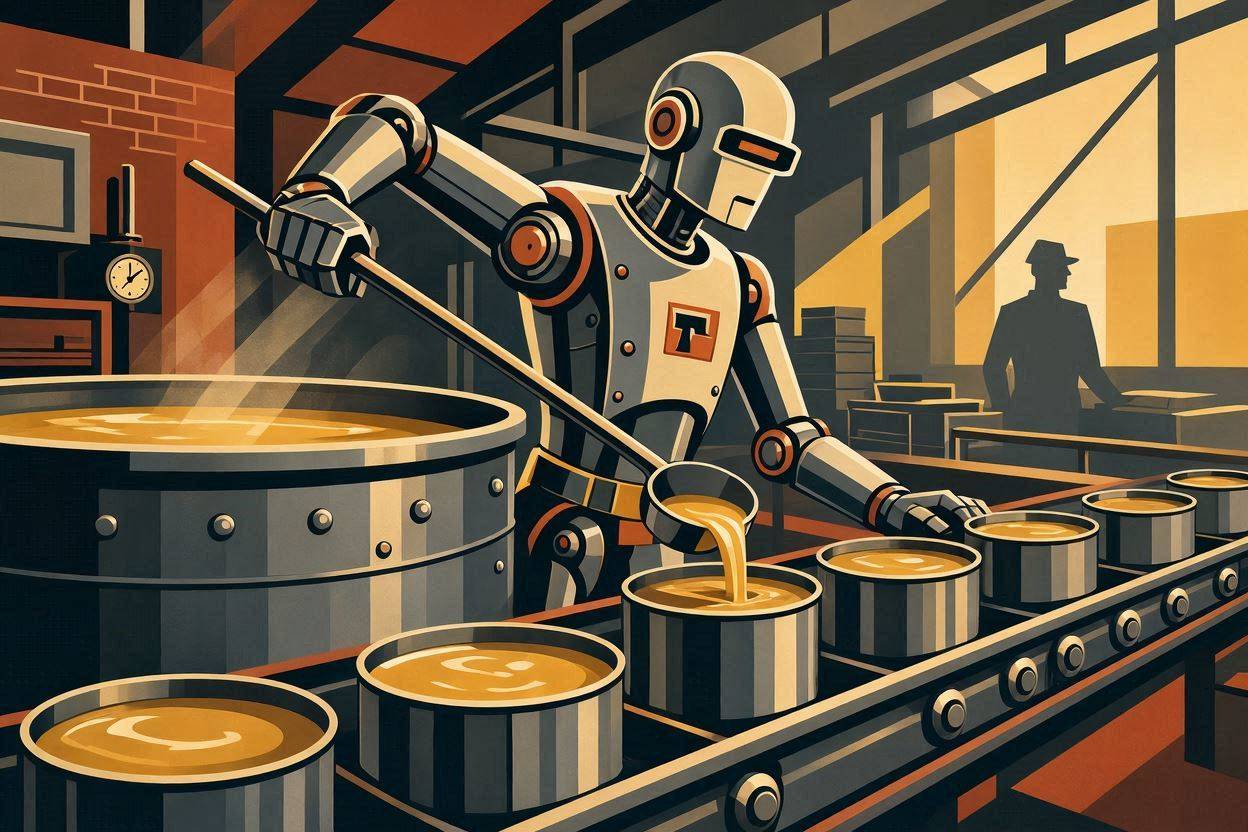
Yes, anything that utilizes AI can be adopted by malicious actors and wreak havoc. However, I can’t imagine what a humanoid robot in a food processor plant would amass besides identifying too much salt or too many noodles in cans of soup. What espionage would it uncover in a truck manufacturing facility, warehouse of an auto chain, or bellhop desk at an upscale hotel?
Will we start to ban surgical robotics because some of the components may have been manufactured overseas? What can a robot lawnmower from China uncover as it whirls between blades of grass?
Paranoia is considered a byproduct of human evolution with the need to detect, anticipate, and avoid threats from neighboring tribes, and ambitious (or perhaps nefarious) acquaintances. Long after Grok and Ora evolved from hunters, gathers, and farmers, to city-dwellers, paranoia persisted and, to a certain extent, escalated. Alleged witches (and black cats) were burned at the stake, McCarthyism targeted somewhat random people, and today, life-saving vaccines are fueling fears.
A healthy degree of caution can help identify seemingly untrustworthy activities or devices, but we should not let paranoia become part of our everyday lives.
Recently, another neighbor, a director with a Fortune 500 technology company, sent an email to neighbors, “At around 5 am I saw this car circling Sea Bluff. It stopped in front of Martin’s house and then it started to head out towards Dawn Road before making its way North on West Beach. I was North of the car on West Beach before it turned left on Deseret Drive. At that time I had pulled over waiting for Starlink to connect in my car for a call. Within a few minutes the car exited Deseret Drive and headed back on West Beach. At this point I became suspicious and grabbed the plates with my phone.”
Later he wrote, “It turns out it was the ‘paper guy’ and he delivers some physical printed out thing called a ‘newspaper’.”
Jeepers!


Leave a Reply