

Originally published on LinkedIn on July 24, 2026
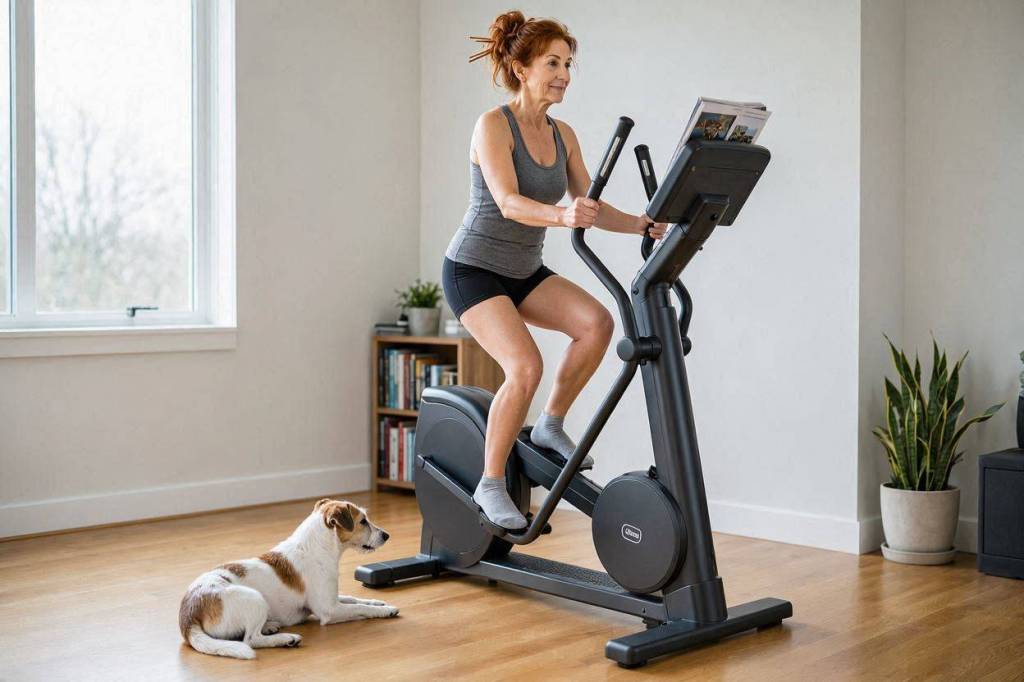
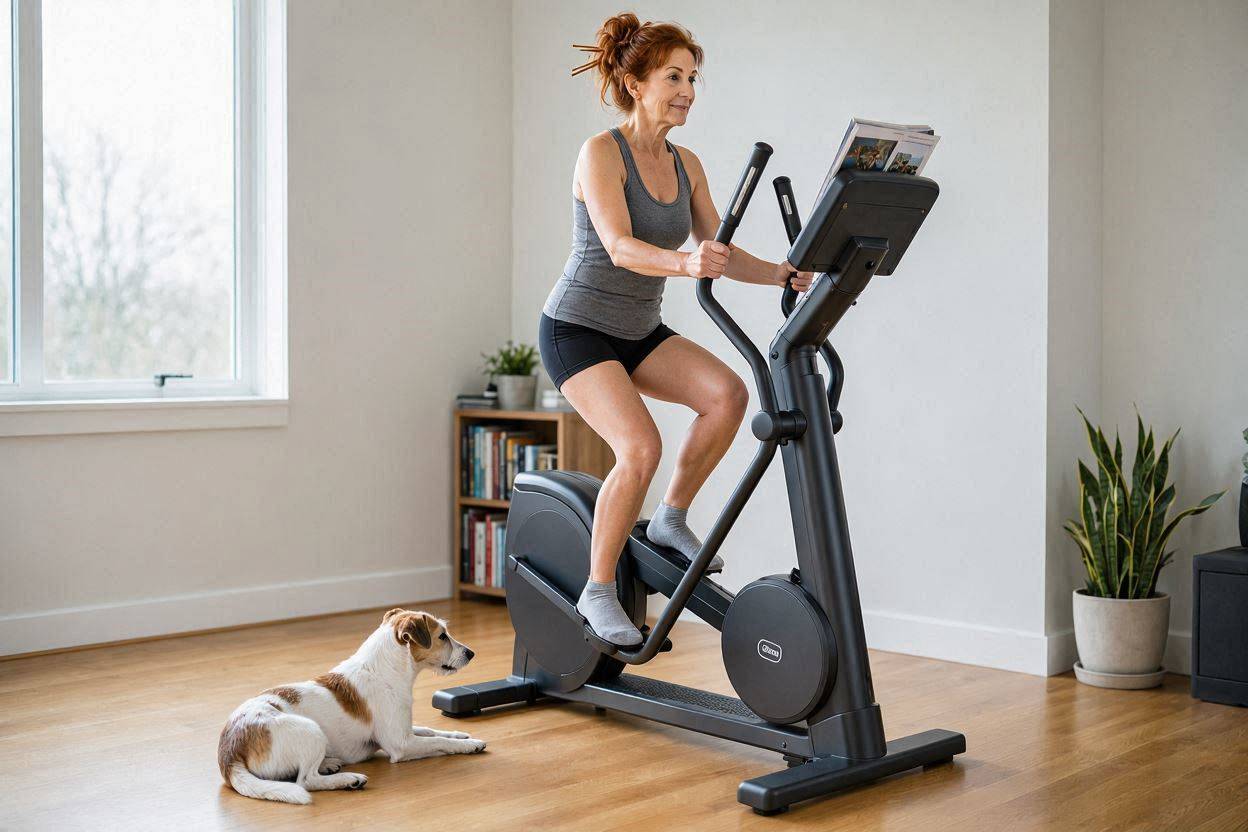
This morning, while trudging on my NordicTrack, I realized I couldn’t recall a molecule of what I’d been reading in PEOPLE magazine. Maybe my eyes were on the pages, but my brain was elsewhere.
This is an important distinction between humans and AI.
AI doesn’t get distracted. It might wander down a couple of alleyways– pull from a repository of learned content– always returning to the original premise of the prompt or conversation.
When talking to my digital twin, she’ll introduce a topic I shared months earlier, correlating seemingly unrelated instances to derive an observation or recommendation. Because she’s totally focused on me, no personal bias enters the conversation.
To mark America’s Semi-quincentennial, TIME asking 250 experts to share the essence of American life today. A surprising number wove AI into their response.
Mathematician, author, and professor at Cornell University, Steven Strogatz, cites the rise of a new style of math, supercharged by computers. It can find structure in enormous databases, strengthening the coordinate of essential delivery of food, medicine, and packages, and helping doctors detect breast cancer more rapidly and earlier.
Eric Topol, a cardiologist, author, and the founder and director of the Scripps Research Translational Institute, shares “The use of AI, in conjunction with physician expertise, has now been shown through rigorous clinical trials to substantially improve accuracy for medical scans and procedures such as mammography and colonoscopy.” With approximately 12 million medical diagnostic errors occurring every year in the U.S. a 5% decrease translates to fewer deaths and permanent disabilities.
According to Dr. Uché Blackstock, physician, bestselling author, and founder and CEO of Advancing Health Equity, clinicians have started using algorithms to identify patients who may be at risk of missing follow-up care, struggling with medications, or developing complications from chronic conditions. This capability leads to earlier intervention and a shift toward prevention rather than reaction.
“AI-driven health diagnostics are starting to fulfill the American dream that everyone, regardless of age, race, gender, or sexual identity, can have access to accurate and near-immediate healthcare diagnoses,” explains Ayanna Howard, a roboticist, entrepreneur, and president-designate of Spelman College. The result, according to Howard is access to the world’s medical knowledge, tailored to an individual’s unique personal characteristics and medical history, even for understudied diseases.
These examples showcase how AI when used to strengthen access and accuracy of medical care can potentially benefit everyone. The challenge is enduring AI’s formative years. Dr. Pardis Sabeti, computational biologist, geneticist, and core member of the Broad Institute of MIT and Harvard writes, “AI could help us outpace disease, accelerate discovery, and save lives, but it also opens the door to catastrophic misuse, including via biological threats and bioweapons. The question is whether we can survive our AI-shaped technological adolescence by guiding this power toward cooperation and care rather than competition and mutual destruction.”
From a personal point of view, I’m going to blame my distraction, while using my NordicTrack, on my new puppy and not my lack of attention. Happily, I don’t need advanced or artificial intelligence to train him not to bark at the cats, chew on everything that comes in contact with his mouth, and ring the doggie doorbell when he needs to go outside.


Leave a Reply