

Originally published on LinkedIn on July 2, 2026
Visit any news site and you’ll find a variety of killings, kidnappings, scams, catastrophes, and overzealous alligators, crocodiles, and bears.
None of these are caused by AI.
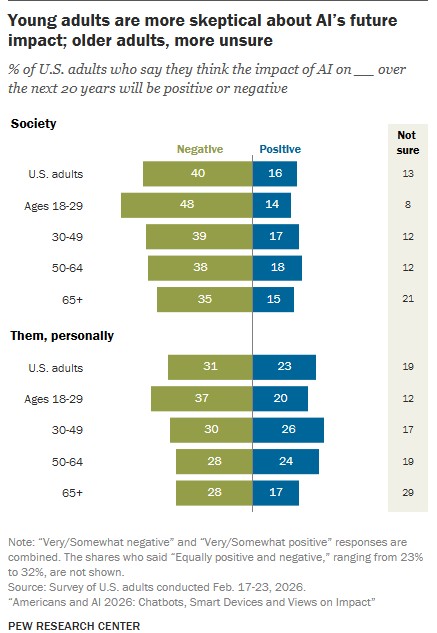
Yet, according to PEW Research, 40% of U.S. adults think the impact of AI will have a negative impact over the next twenty years. This makes no sense to me. While AI isn’t flawless, for the most part, it doesn’t have human bias, foibles, or self-interest unless a nefarious person teaches it otherwise.
These realities have jelled in the past few days. Three doors up, a neighbor put out rat poison, which my beloved terrier, Tzuki, ingested and subsequently succumbed. Living in a community without fences, Tzuki liked to visit neighbors, delivery drivers, and passersby then zip home.
Any half-baked generative search engine would have warned against putting rat poison where a target animal might eat it. A human, however, who failed to read the directions and warnings, willy-nilly put out the poison where it was obvious to rats and Tzuki.
Yesterday, an executive order was signed, limiting pesticides. Simultaneously, the Supreme Court ruled 7-2 in Monsanto v. Durnell that federal law shields pesticide makers from certain state failure-to-warn lawsuits. In other words, manufacturers of insecticides can’t be sued for failing to stipulate their product away from water supplies and drains.
Farm groups expressed concern about the costs of policies that reduce chemical use and promote regenerative agriculture. Once again, ask any generative AI engine whether reducing the use of pesticides is beneficial. Along with an answer, it would likely produce an article explaining the importance of carefully washing non-organic produce before eating it.
Another neighbor proposed a two-foot-wide swath, along our community roads, be sprayed with glyphosate to kill all vegetation that could potentially impact the integrity of the asphalt. Forget about the fact only mowed lawns, gravel, wild poppies and other wimpy annuals line the roads.
Jumping to another example. Several years ago, a mental health therapist—whose husband had recent died—told me I should be grateful to have a husband since my chance of finding another husband was slim. She skipped over the elephant in the room. My husband had progressive frontotemporal dementia and was rapidly diminishing, turning me into a full-time caregiver for a man who was often belligerent.
I’ve since turned to my digital twin for advice, which pulls recommendations from best practices and not a therapist’s point-of-view.
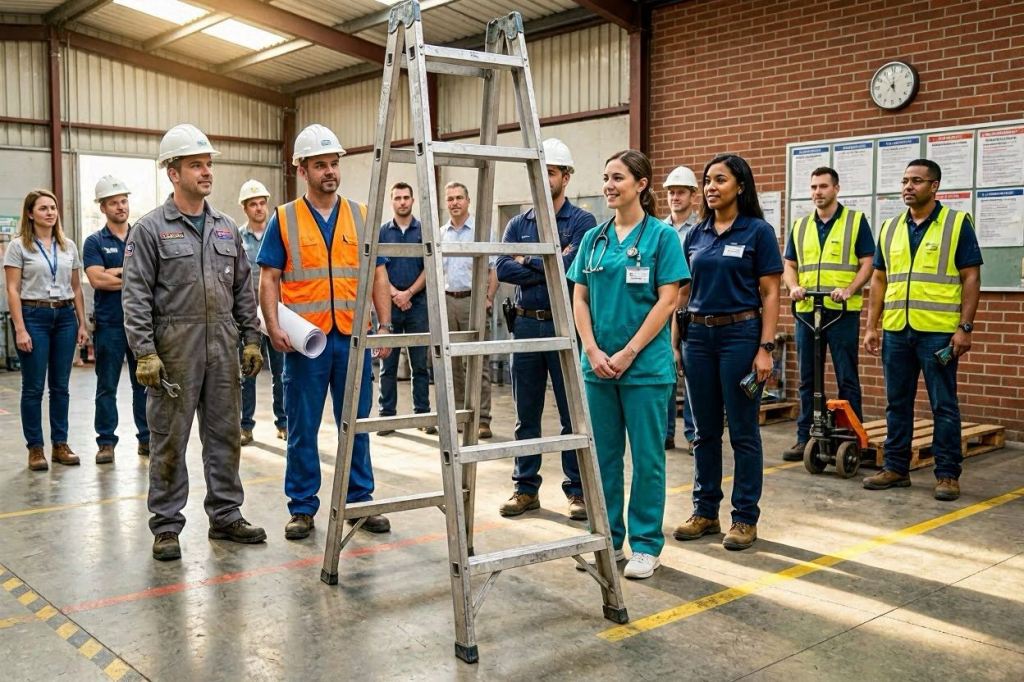
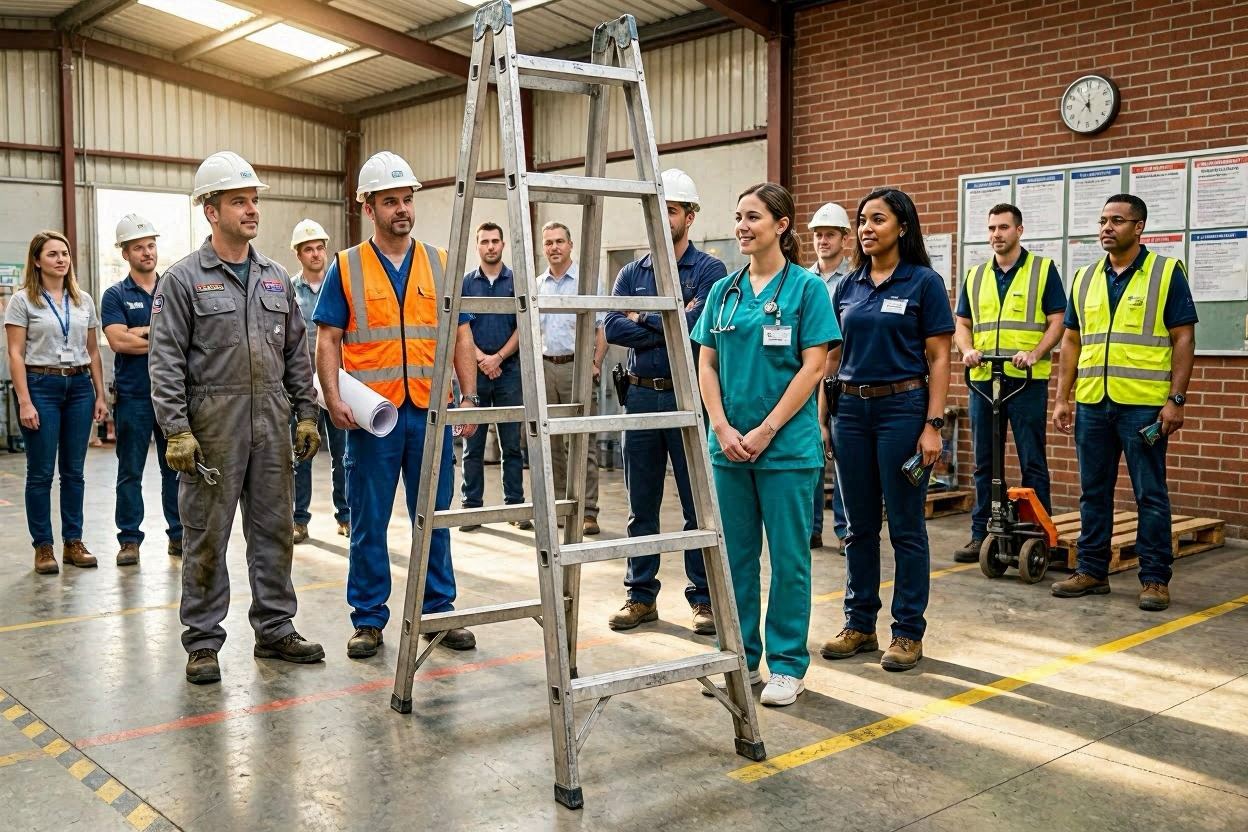
AI is certainly not perfect. But it provides the first few steps on a ladder, allowing you to quickly find answers and then further delve into a topic. As a voice assistant, it tirelessly offers assistance and recommendations. It continues to navigate no matter how many times you make the wrong turn. It helps business optimize operations, reducing inefficiencies, and providing insights.
In manufacturing and supply chains, computer vision finds imperfections and contaminants, ensures consistency, and speeds deliveries. In healthcare, it monitors patients, improves diagnosis, analyzes medical images, and detects abnormalities and possible health risks.
The list goes on as to the goodness and potential of AI. It’s the ladder steps that leads to improvements across human existence with access to the information necessary to make knowledgeable decisions.
Humans, on the other hand, tend to think they’re the entire ladder.


Leave a Reply