

Originally published on LinkedIn on June 5, 2026
My grandchildren have awful handwriting, and their composition is sophomoric, despite being 11 and 13. Both are considered gifted and reportedly doing well in school. I didn’t put much thought into their scholarly aspirations until I heard a podcast on how AI removes friction, an essential element in learning.
According to Copilot, “Friction in learning refers to the challenge and obstacles that stimulate deeper thinking, problem-solving and skill development, and when used effectively, enhances comprehension and engagement.”
My ability to get an answer within seconds demonstrates how AI removes friction. It sounds good in principle, but friction is essential for learning, forcing students (and others) to seek answers, clarify complexity, problem-solve, synthesize information, and correct mistakes.
It’s analogous to “Give a man a fish and you feed him for a day. Teach a man to fish, and you feed him for a lifetime.” Instant answers don’t build skills. What’s necessary to obtain expertise is the hard work of cracking open a book, watching a video, researching, applying information, and getting feedback.
While AI can remove the tedious task of taking notes and summarizing content, it eliminates an important mode of learning, Reading, writing, and kinesthetic (doing). Taking notes reinforces what’s heard and seen. It also provides the opportunity to highlight the most important or differentiating information.
Whenever I write a messaging and positioning framework for a new solution, I initially gain an elementary understanding of it then peruse the internet for information on the industry, user pain points, competitive solutions, and analysis reports.
I don’t look for anything in particular. I simply cast a wide net, gathering observations, and then sculpting unique positioning. AI is used to refine and explore alternative wording and points-of-view. It’s a tool and not the fabricator.
Don’t get me wrong. I relish how rapidly AI provides answers and can generate content when necessary. And it’s astonishing how it’s revolutionizing nearly every industry with the ability to turn oodles* of data into intelligence and solutions, which previously was impossible.
Getting back to primary education.
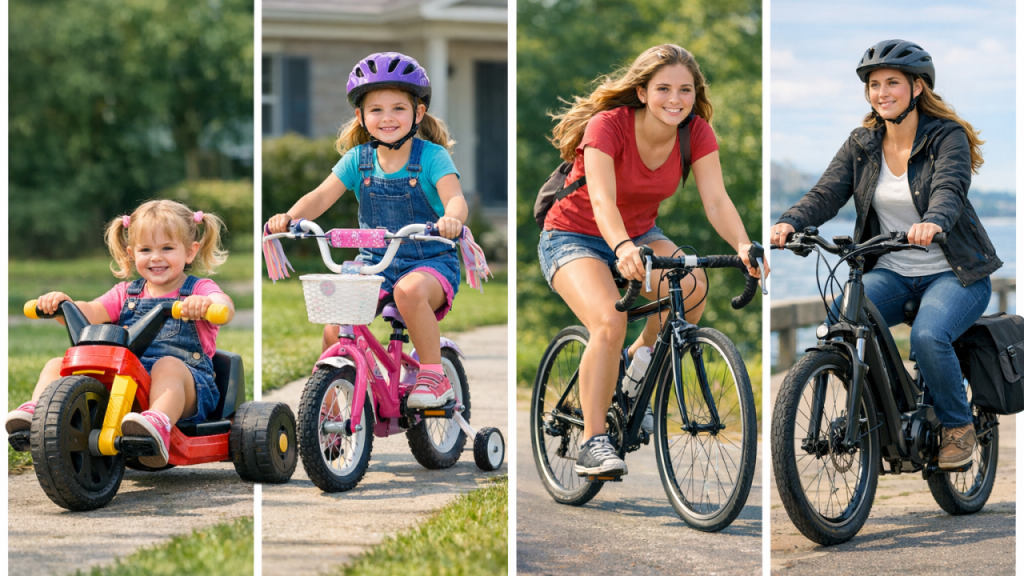
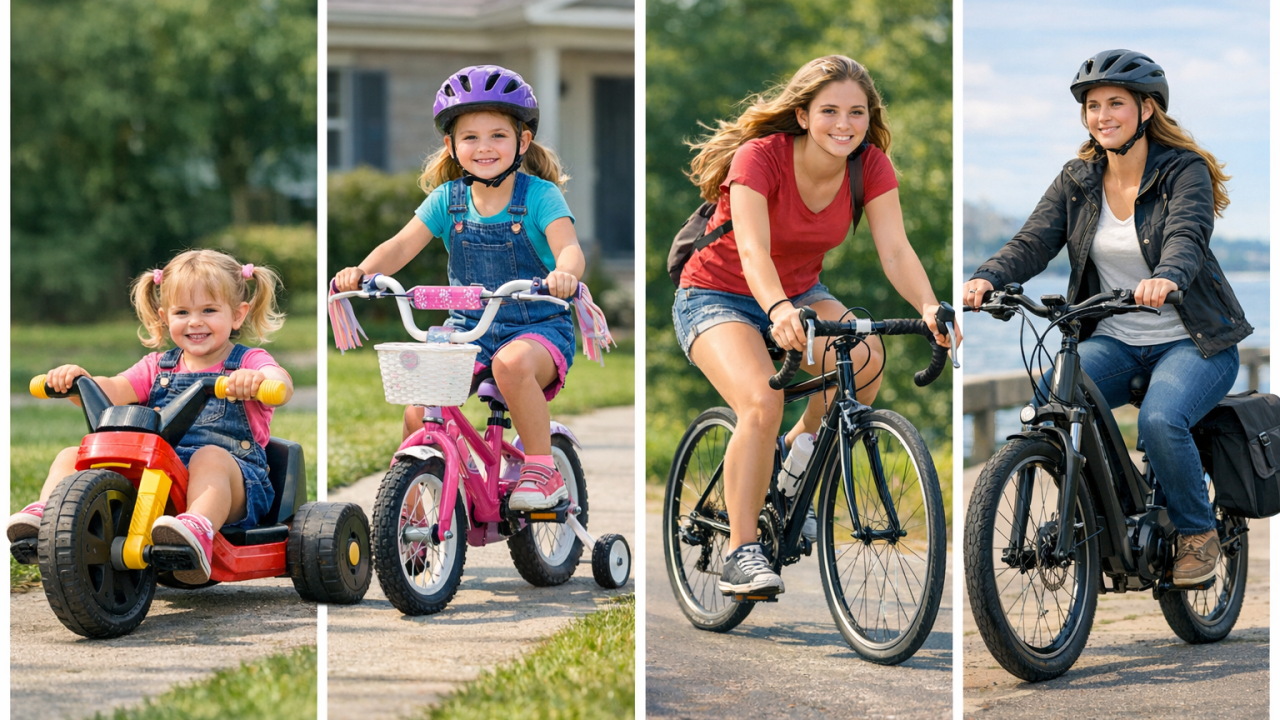
Most children need to learn how to pedal a Big Wheel or tricycle before graduating to a bicycle with training wheels. A multi-speed bike is the next step before advancing to a heavier, more complex electric bike or scooter.
In the same vein, practicing writing, ‘rithmetic, and composition–sans a keyboard or calculator–provides a foundation, which strengthens competence, muscle memory, and confidence.
It’s not just my opinion. The Organization for Economic Co-operation and Development (OCED) examined standardized testing data from 15-year-olds across dozens of countries, finding students who used technology the most in school performed worse on assessments than those who used it moderately. Equally, students in East Asian nations– where schools intentionally limit technology and lend towards traditional instruction, particularly in math–consistently performed better on math assessments.
A separate analysis found the more hours American students spent daily doing English language arts on computers, the lower their reading scores. The same analysis found students in France who used the Internet for more than six hours in school daily scored 140 points lower on the Program for International Student Assessment’s reading assessment, than students who spent little or no time on the internet.
The friction of learning to write and simultaneously compose grammatically correct sentences and flowing paragraphs is laborious and can be frustrating. Place a blank greeting card in front of me with a pen, and I struggle to cobble together a few words.
Just as chefs learn knife skills, pilots manual controls, engineers syntax and logic, and architects drafting, physically doing something, instead of typing on a keyboard and accepting what pops up is essential for gaining the underlining principles that lead to mastering a proficiency.
*What’s an oodle? I haven’t the foggiest idea, but it sounds big and impressive.
Note: All incomplete sentences, grammatical mishaps, and bizarre thought patterns were made by a human. The image was created by AI with the prompt “Progression of a girl on a Big Wheel as a toddler then two-wheeled bicycle with training wheels when a few years later, followed by a teenager on a 10-speed bike, and finally older on an electric bike. The style is semi-realistic.”


Leave a Reply