

Originally published on LinkedIn March 18, 2026
As the days lengthen and spring bulbs joyously emerge, I’m scrambling to do my part as a Master Gardener. Last Sunday, I participated in a seed swap. This weekend is my county’s annual gardening workshop, and my plots in the education garden are patiently waiting to be weeded and planted.
Agriculture, whether a hobby or commercial, can be optimized and transformed with the use of artificial intelligence (AI). It’s the pitchfork of the future.
In 2025, there was 876 million acres of farmland in the United States, a decrease of 2.1 million acres from 2023., Ninety-five percent is family owned with 85% of considered small family farms. Peel back the layers and you find 51% of all agricultural product value is produced by less than 4% of large-scale and factory farms.
There’s a reason why many stores only offer a small variety of apples, even though there are nearly 7,500 apple cultivars. What’s being produced by large orchards is what appears on grocery shelves. Boutique varieties are only found in upscale stores and farmers markets.
Also limiting variety is the morphing of the food industry from home-, farm-, and ranch-grown produce and meats to high caloric, processed, convenient, and instant meals.
Following World War II, a quarter of American’s were employed in farming. The stockpile of ammonium nitrate, leftover from the war, was converted into fertilizer, dramatically increasing productivity. The introduction of laborsaving machines; innovative plant breeding; antibiotics, vaccines, and supplements to boost animal health and growth; and consolidation of farms, created the need for 60% fewer farms.
While there’s a renewed focus on farm- and ranch-to-market driven by foodies, appreciation of ethnic cuisines, food channels, and Health Secretary Robert F. Kennedy, Jr.’s push to replace ultra processed food with real food, the return to an agrarian economy is doubtful. AI, however, can play a role in energizing the industry, providing small farmers with the tools to cost effectively increase productivity, sustainability, and quality with fewer resources.
Leveraging real-time data from sensors, smart watering systems, pest and disease detection devices, and weather predictions can reduce guesswork and manual labor. There’s no need to water if the ground is satiated or spray for pests unless they’re detected.
Robotics and animation support driverless farm equipment that use GPS to optimize growing crops on a plot of land, and can be potentially fitted to till, weed, and harvest.
All these labor-saving innovations reduce costs, although, not necessarily from fewer workers. With increased yields there are more boxes of produce to load and the ability to direct workers to higher-value tasks. Precision farming leads to greater diversity with the confidence to grow more time-consuming and demanding crops like asparagus, wasabi, saffron, cacao, and cauliflower.
For amateur gardeners, like me, AI provides fast answers to wilting plants, invading bugs, rotting roots, invading species, and never-ending challenges of tomatoes, which won’t ripen! Simply snap a picture of let AI generate the wisdom to correct an issue.
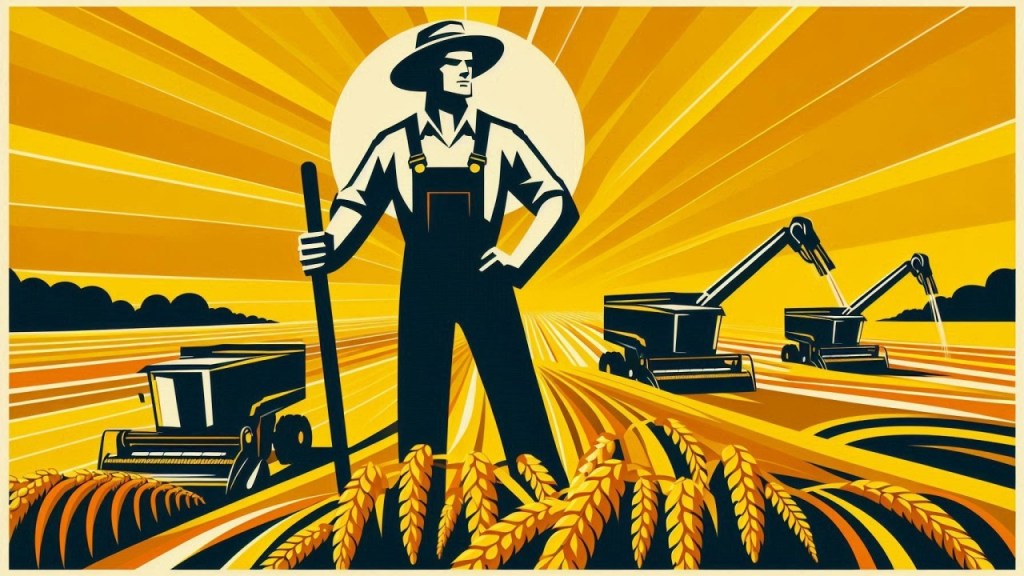
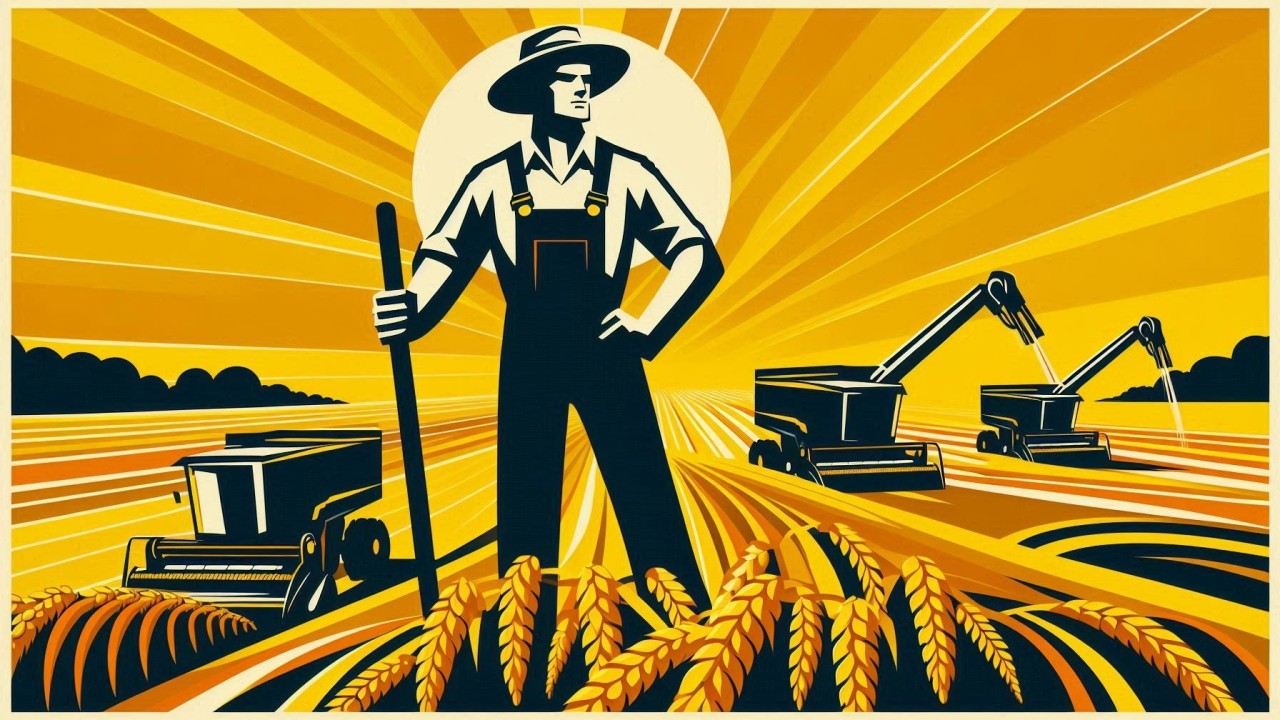
All incomplete sentences, grammatical mishaps, and bizarre though patterns are made by a human. The image is AI because I don’t have the ability to create amazing WPA-like illustrations.
 Scribbles
Leave a comment